International link building starts with a simple question: which publications and organisations reach the buyers you want to serve? A list of foreign domains is not a strategy. A relevant publisher needs a reason to reference your business, your expertise or an asset on your website.
Build the programme around target markets, useful evidence and qualified opportunities. Assess links as part of a wider marketing relationship rather than buying a volume target detached from audience fit.
Prioritise markets before prospects
Begin with the countries where your business has a credible offer and a functioning customer journey. Confirm that the relevant landing pages explain eligibility, service coverage and the next step. Outreach cannot compensate for a destination that leaves a prospective buyer confused.
For each market, record the service you want to support, the page readers should reach and the business reason for prioritising it. If the local offer is not ready, fix that before committing resources to promotion.
Our international SEO services guide explains how market selection connects to content and implementation.
Identify publishers by their role in the buying journey
Consider industry publications, professional associations, relevant suppliers, research organisations and local business communities. Their relevance depends on the subject and readership, not simply the country-code domain.
A global engineering publication may be more relevant to a specialist manufacturer entering Singapore than a general Singapore lifestyle site. Equally, a local professional association may provide a stronger connection to qualified buyers than an international directory with little editorial activity.
Ask where prospects learn, compare suppliers and verify expertise. Sales teams can often identify influential publications and communities that a backlink export overlooks.
Qualify each opportunity
| Check | What to inspect | Reason to pause |
|---|---|---|
| Audience fit | Topics, readership and geography | No meaningful connection to your buyers |
| Editorial relevance | Recent articles and how sources are selected | Unrelated commercial links across many subjects |
| Contribution | Research, expertise or practical material you can offer | A pitch based only on inserting a link |
| Destination quality | The page readers would visit | Outdated, thin or unsuitable content |
| Relationship | Named editor, partner or organisation | No clear ownership or genuine purpose |
Use third-party authority metrics as supporting context. They do not establish that a publication reaches your market, that a placement will send useful visitors or that a link will improve rankings.
Give the publisher something worth using
Strong outreach starts with a useful contribution: original data, a detailed explanation, an expert interview, a technical reference or an evidence-backed local observation. Define the contribution before drafting the email.
For example, a fictional logistics provider might compile a carefully sourced checklist of documentation problems encountered by businesses entering a market. An industry publication could use that material to help its readers. The value comes from the information, not the requested anchor text.
Where the work involves original research, retain the methodology, sample and collection dates. Where it is expert commentary, identify the qualified person and their actual role. Do not manufacture quotations or claim results that cannot be checked.
Learn from competitor links without copying blindly
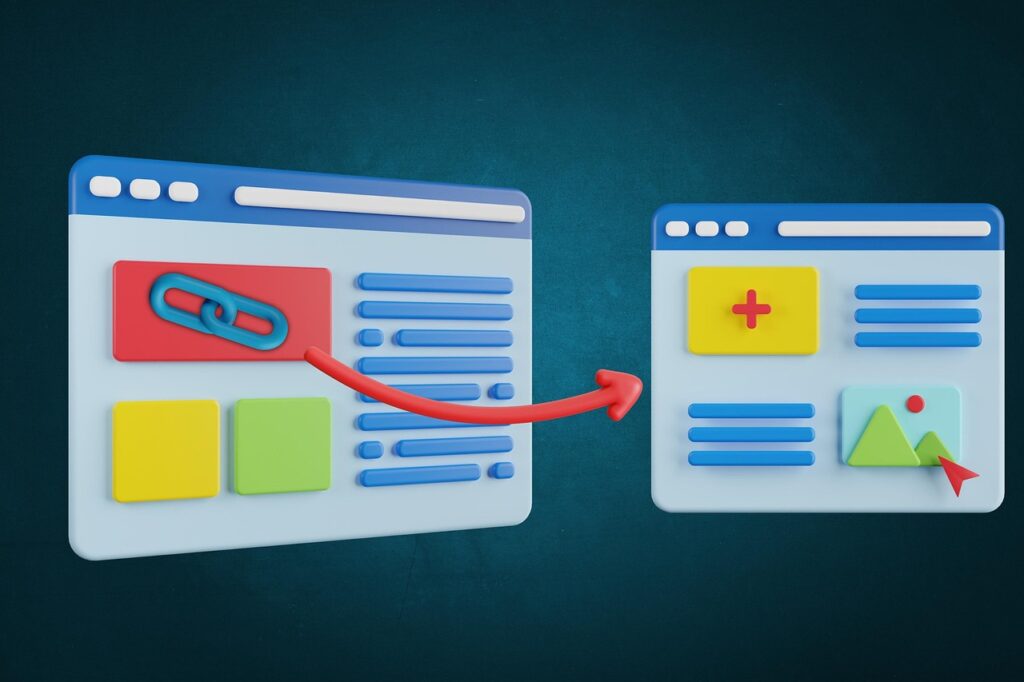
A competitor backlink review can reveal publications, partnerships and recurring topics. It does not tell you that every link is valuable or obtainable. Some references arise from long-standing relationships, product launches or research you do not have.
For each discovered source, record why the competitor was referenced and what comparable value your company could contribute. Reject opportunities that only make sense if you imitate a claim or relationship you cannot substantiate.
Our guide to finding competitors’ backlinks covers discovery. Qualification is the next step, not an optional clean-up stage.
Keep commercial placements transparent
Editorial coverage, sponsorships and paid advertising are different activities. Record which you are arranging. Google identifies buying or selling links for ranking manipulation as link spam; use its spam policies when reviewing a proposed arrangement.
Do not measure the team only on acquired link count. That creates an incentive to accept low-relevance placements and hides whether the work supports the business.
Report work and outcomes separately
Track qualified prospects, personalised pitches, accepted contributions, live references and the associated costs. For live coverage, record the destination URL, publication date, context and relevant referral activity where measurable.
Review search performance of the supported page over a suitable period, alongside content changes and other marketing activity. One new link followed by a ranking movement does not prove causation.
Need to prioritise international authority work? Discuss your target markets and existing assets with Crescendo.