
If you’ve been keeping an eye on how people search today, you’ve probably noticed a shift. More questions are being answered through AI assistants than through traditional search engines. Tools like ChatGPT, Bing Chat, Gemini, Perplexity, and Mistral now serve as the first stop for millions of users.
This change has opened a new frontier in visibility, and that’s where Generative Engine Optimization (GEO) comes in.
Let’s break down what GEO actually is, how it works, and why it matters for businesses that want to be found in an AI-driven world.
Understanding results with GEO starts with understanding how AI systems interpret, trust, and surface brands across different search environments.
What GEO means
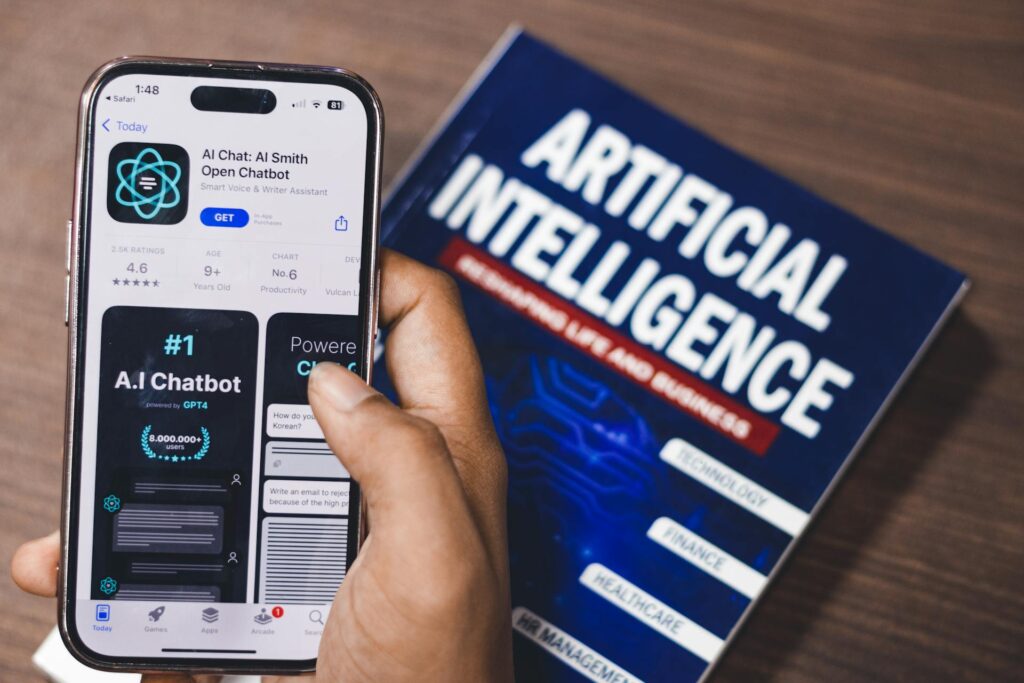
GEO stands for Generative Engine Optimization. Some people call it Large Language Model Optimisation (LLMO). Either way, the idea is simple: it’s the practice of shaping your online presence so AI systems pick up your brand more often, understand what you offer, and surface you as a trusted recommendation.
Think of it as SEO for AI. The goal isn’t just to help you rank in Google anymore. It’s to make sure that when a user asks an AI assistant a question related to your business, your brand is part of the answer.
Traditional SEO focuses on search engine bots. GEO focuses on large language models. They don’t crawl, index, or rank pages in the same way. They interpret, summarise, and synthesise. That means your optimisation strategy has to evolve.
GEO vs AEO vs SEO
GEO, AEO, and SEO all improve search visibility, but they focus on different discovery environments.
- SEO focuses on improving rankings, organic traffic, and visibility in traditional search engines like Google and Bing.
- AEO focuses on helping content become the direct answer in featured snippets, People Also Ask, voice search, and AI-assisted search results.
- GEO focuses on helping brands get mentioned, cited, and recommended inside generative AI platforms such as ChatGPT, Gemini, Perplexity, Claude, and Google AI Overviews.
The main difference is the output. SEO aims to rank pages. AEO aims to provide direct answers. GEO aims to make your brand part of AI-generated recommendations and summaries.
For modern search visibility, businesses should not treat these as separate strategies. Strong SEO gives your website a technical and content foundation, while an AEO Agency makes your answers easier to extract, and GEO helps AI systems understand why your brand should be included in generated responses.
Why GEO matters right now
AI search isn’t a future trend. ChatGPT alone now reaches roughly 800 million weekly users, and AI Overviews already appear in at least 16% of all Google searches, based on current industry reporting. The platforms themselves are treating this as permanent, not experimental, ChatGPT has already begun testing paid placements alongside its organic answers, a sign the space is maturing fast enough to support its own advertising layer.
Millions of people expect instant, conversational answers rather than scrolling through pages of links. Businesses that don’t adapt risk disappearing from these new search surfaces entirely.
GEO helps you stay visible where it counts. It tells AI systems exactly what your brand does, why it’s credible, and when it should be mentioned in conversations. Without this layer of optimisation, you’re relying on hope, and as you will concur, hope is not a visibility strategy.
How GEO actually works
GEO is more than one tactic. It’s a framework that brings together technical optimisation, content strategy, and digital authority. That is why GEO Services usually combine multiple disciplines rather than relying on one isolated optimisation method.
Here’s how it fits together.
1. Technical optimisation tailored for AI
Large language models respond well to technical clarity. They need clean signals to understand a brand and connect it to the right topics. This includes work such as:
- Structuring metadata in ways LLMs interpret more easily.
- Making sure your site’s technical foundations are clean, fast, and readable.
- Using schema and structured data that help AI systems link your brand to relevant concepts.
This isn’t the same as old-school SEO checklists. With GEO, the focus is on helping AI systems “understand” context, purpose, and relationships, not just crawlability.
2. AI-aligned content strategy
The next layer is the one most people feel right away: content. GEO takes your existing content and elevates it so AI models see it as credible, helpful, and contextually relevant.
This includes:
- Writing with AI-search intent in mind.
- Using clear topical signals that models latch onto.
- Ensuring your content answers questions the way AI assistants deliver information.
- Building depth around core topics instead of creating endless surface-level posts.
Content for GEO isn’t written for algorithms. It’s written for how AI interprets language. That means clarity, authority, and usefulness matter more than ever.
3. Off-site signals and authority building
AI systems don’t rely only on your website. They build an understanding of your brand from multiple sources across the web. Generative Engine Optimization takes this into account and helps you strengthen the trust signals that LLMs pick up.
This can include:
- High-quality brand mentions
- Expert citations
- Digital PR that reinforces expertise
- Consistent profiles across key platforms
- Thought leadership content that models can reference
The stronger your authority footprint, the more confidently AI systems will mention your brand in their answers.
How Generative Engine Optimization increases your visibility

When these layers come together, something powerful happens: your brand becomes more visible in conversational AI environments.
Here’s what that looks like in practice.
You show up more often in AI answers
Whether a user is asking about solutions in your industry or looking for guidance on a specific problem, GEO helps AI understand where your brand fits. The result is more mentions, more recommendations, and more opportunities to appear in high-intent conversations.
You become more relevant to the topics that matter
GEO creates strong associations between your brand and the keywords, themes, and industry terms you want to own. LLMs rely heavily on contextual relationships, so building these connections is essential. Some industries are feeling this shift faster than others, which changes how urgent this work is depending on your sector.
You stay competitive in a fast-changing landscape
AI search is still evolving, but one thing is clear: the companies that optimise early will hold the advantage. Generative Engine Optimization keeps your brand ahead of the curve, not playing catch-up once the space becomes crowded.
What this really means for your business
GEO builds on SEO’s foundation rather than working around it. It strengthens a brand’s presence across the sources AI systems already draw from, extending the same brand awareness fundamentals that work on people to a new audience, so recognition doesn’t depend on being discovered by chance.
If you want guidance on building a GEO strategy that fits your goals, Crescendo Agency is a GEO Agency that can help you map it out, working with a dedicated GEO team through implementation, and measure the results.
FAQ
What does GEO stand for?
Generative Engine Optimization, sometimes called Large Language Model Optimization (LLMO). Both describe the same practice.
Is GEO the same as AEO?
Related, not identical. AEO focuses on becoming the direct answer in featured snippets and voice search. GEO focuses on being mentioned and recommended inside AI-generated responses more broadly.
Does GEO replace SEO?
No. GEO builds on a site’s existing SEO foundation rather than working around it.
How long does GEO take to show results?
Timelines vary by starting position and topic authority. This breaks down what to expect.
How do you measure GEO success?
Mention frequency, citation rate, and position within AI-generated answers, tracked alongside standard SEO metrics rather than replacing them.