
The goal of competitor research is not to copy; it is to understand why buyers find someone else first.
CRESCENDO / PRACTICAL SEO FRAMEWORK
A competitor-led SEO strategy
An editorial decision framework, not a guaranteed ranking formula.
1
SEARCH RIVALS
Find true SERP competitors
2
BUYER INTENT
Map purchase-stage demand
3
CONTENT EVIDENCE
Evaluate useful proof
4
90-DAY PRIORITIES
Sequence realistic actions
Your strongest business competitor is not necessarily your strongest search competitor. A global software platform might dominate head terms while a specialist publisher captures the buying questions that matter to your category. Effective competitor SEO analysis identifies that difference before anyone starts copying articles.
Start by selecting search competitors—not just familiar brands
Build three groups: companies offering the same solution, publishers ranking for the same questions and adjacent providers answering purchase-stage comparisons. Search the terms a buyer actually uses: the problem, the solution category, alternatives, implementation, pricing and provider selection. Collect the URLs ranking repeatedly, rather than selecting sites solely by Domain Rating.
An important distinction: a competitor may rank because it has a broader domain, a stronger page or a more useful answer. These require different responses.
Step 1: Map the search demand to the buying journey
Separate queries into four jobs: understand a problem, evaluate approaches, compare providers and request a quote or demo. Add a relevance score and a likely business value. A keyword with thousands of searches may matter less than a low-volume query used by procurement or a product lead.
Use the intent of the actual results page as the final check. If the first page is dominated by comparison tools, publishing a generic glossary may not satisfy the query.
Step 2: Compare page-level performance
In Ahrefs or another research platform, collect each competitor’s leading URLs, ranking keyword clusters, estimated traffic, referring domains and content format. Do not treat estimated organic traffic as audited first-party analytics; it is a directional model. Review the pages manually and capture the differentiating elements: unique data, pricing examples, calculators, product screenshots, downloadable templates and expert commentary.
A useful research sheet has columns for Topic, Intent, Competitor URL, Evidence on page, Our existing URL, Buyer value, Effort and Next action.
Step 3: Investigate keyword gaps without cloning the SERP
A keyword gap is an invitation to inspect, not an instruction to write. Your rival’s article on enterprise pricing might be irrelevant if your agency only serves mid-market buyers. Conversely, an obscure RFP query may matter a great deal to the exact decision-maker you want.
For every gap, ask whether Crescendo can provide a better answer through first-hand practice, clearer examples, verified benchmarks, a more useful visual or a more honest explanation of limitations.
Step 4: Identify link opportunities by context
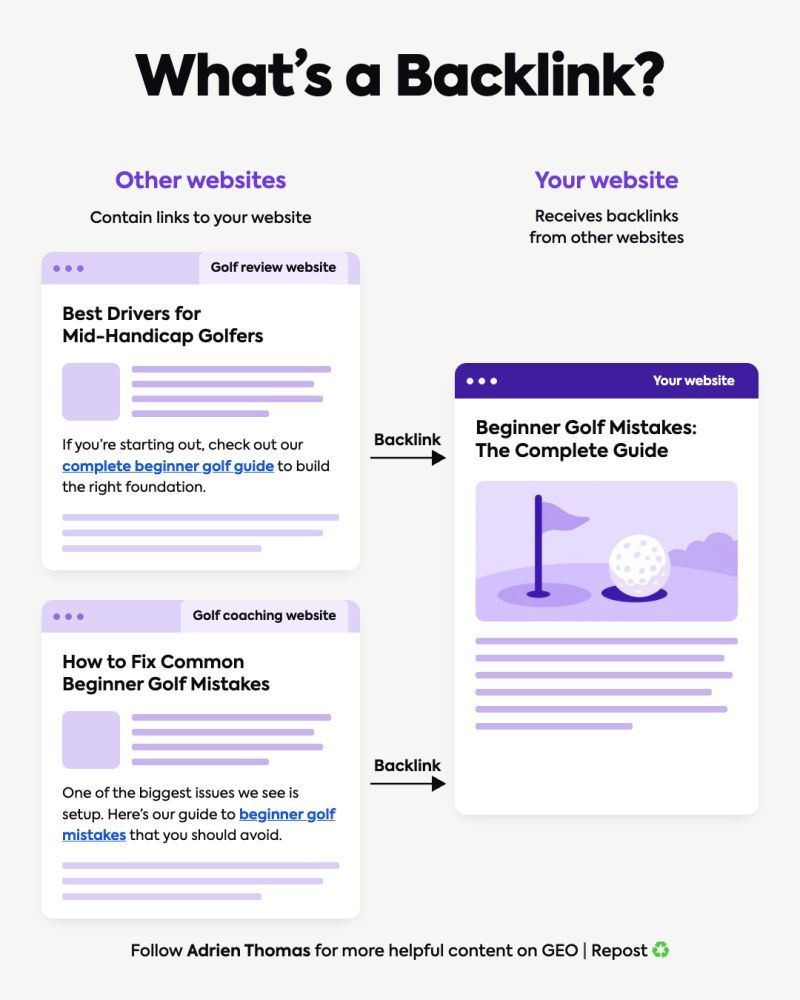
Check which pages attract relevant editorial links and why. A tool, research dataset or reference guide may have earned citations because it offered something other websites could reuse. Build your own useful asset rather than scraping a list of email addresses and sending mass outreach.
Choose outreach targets with topical relevance and a real audience. A mention on an industry association site may be more valuable to a B2B prospect than a high-metric, unrelated blog.
Step 5: Build a 30/60/90-day action plan
In the first 30 days, fix missing commercial pages, weak internal links and obvious answer gaps. Over the next 30, publish a small set of assets with verifiable expertise. During the final 30, update pages based on early performance, pursue relevant citations and test conversion paths. Treat this as a planning cadence, not a guarantee of ranking by day 90.
Crescendo’s original opportunity score
We use a practical editorial decision framework with four components scored from 0 to 3: buyer relevance, evidence advantage, realistic discoverability and path to a commercial action. The sum ranges from 0 to 12. It is a Crescendo prioritization heuristic, not a statistical ranking predictor.
Consider two hypothetical topics: a broad definition with large search volume but no purchase intent, and a specific implementation comparison with modest demand and strong buyer relevance. The second can deserve attention first, even when its search volume is lower.
The Crescendo Take: the competitor’s weakness is more useful than their strength
Most teams photograph the pages that rank number one. We want to know what those pages leave unanswered: implementation costs, hidden trade-offs, regional applicability, proof, examples or integration constraints. Search competitors reveal the shape of demand; buyers reveal what content deserves to exist.
FAQ
How many SEO competitors should I analyze?
Start with three to five recurring search competitors per key intent cluster. Expand only when new domains meaningfully change the picture.
Should I use Domain Rating to choose competitors?
Use it as context, not the selection criterion. URL relevance, intent fit, content quality and brand strength all matter.
How often should I refresh a competitor SEO analysis?
A quarterly strategic refresh works for many B2B teams, with lighter monthly monitoring for important services and rapidly changing search results.
Next step
Our guides on competitor backlinks and competitor sitemap monitoring show two ways to go deeper. For a tailored competitive roadmap, explore Crescendo’s SEO services.